
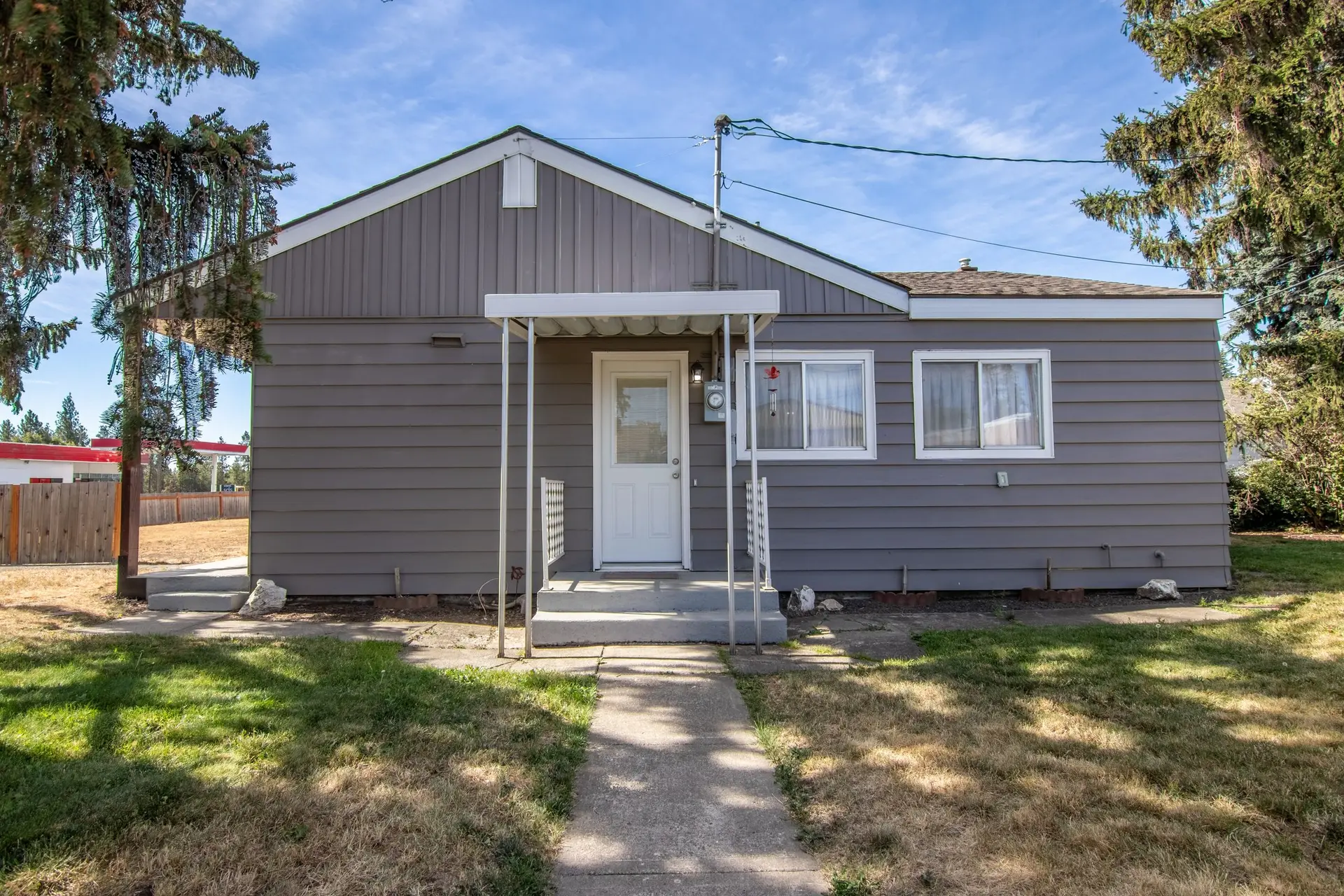
Monrovia ADU Construction placed around the power lines
Monrovia ADUs placed around overhead service wires and the house panel, with feeder and meter options and ember-resistant details on mapped parcels.
Overhead service wires running from the pole to a Monrovia house can cross the very spot where a backyard unit would stand. The utility and the electrical code set clearances above a roof for those lines, so we sight them first and mark where they pass. Then the unit either shifts to clear them, or the service goes underground in a trench, which also opens a path for the unit's own feeder.
Panel, feeder and meters
Next we open the main panel and read its rating. With a heat pump, a water heater and a cooktop added, the unit's demand may fit the existing service or may call for an upgrade, which the utility has to approve. A feeder in buried conduit carries power from the house to a subpanel in the unit, placed at a height a parent can reach. A separate meter is possible too, and whether it is worth having depends on the utility's terms and your plans for the unit later on.
Mapped ground and city review
Ember-resistance rules apply where a Monrovia parcel falls on the fire hazard maps, and they shape the shell, with a Class A roof, enclosed eaves, mesh vents and noncombustible siding. Moving the service underground also takes a line out of the yard that wind could bring down during a fire. The city reviews the plans and inspects each stage. In the quote the plans package stands alone, and the build, with its electrical work shown on a separate line, is priced once the set is approved.
ADU Construction in Monrovia: what families ask
Living out back works for both. A Monrovia ADU gives either one a kitchen, bathroom and entrance of their own. For a parent, outlets and switches sit at easy heights and night lighting runs along the path. A grown child might want extra circuits for a workspace and a car charger by the parking spot.
Utilities often settle it. A garage close to the house panel and sewer line needs short runs and converts with less trenching. A detached unit farther back means longer runs for power, water and drains, though it can be placed to clear overhead wires and give more privacy. We map those runs before you choose.
Monrovia's rules work inside state ADU law, which sets heights a city must allow: 16 feet for most detached units, 18 near qualifying transit, and for an attached unit whichever is lower of 25 feet and the zoning height. Floor area depends on the parcel and the city's current standards, and we check both before sizing.
ADU Construction in other cities
Other projects we take on in Monrovia
Your Monrovia project, start to finish
Tell us about the house and the space you need. We reply by phone or email to plan a visit.